Each of the grass plants in our green is akin to a little factory where Carbon Dioxide and Water are broken down and converted to a sugar based plant food that can be used immediately to fuel the plant's growth processes or converted to starch and stored throughout the plant for future use.
The main difference between the two groups is the way in which they photosynthesise or produce food for themselves. The first product of photosynthesis in cool season grasses is a 3 Carbon sugar molecule so these grasses are commonly referred to as C3 grasses. In warm season grasses the first
If a product’s real purpose is to kill earthworms then this is now illegal for turf application in the UK. It's always best to stay compliant with UK pesticide legislation, honest with your players and committee, and aligned with a longer-term view of soil health. That’s been the Bowls Central way since day one.
Downcast is a non-pesticidal liquid that deters surface worm activity and encourages it deeper in the profile. It doesn’t kill worms; it helps keep their good work (aeration, aggregation, nutrient cycling) where it benefits the soil without spoiling the playing surface.
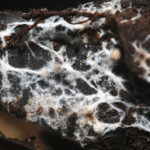
Each individual grass plant releases sugars through its roots to attract beneficial microbes. In return, those microbes mine nutrients from the soil, cycle organic matter, suppress disease, and improve soil structure. This is so important to the health of plants that they give up around 50% of the sugar they produce during photosynthesis as root exudates.
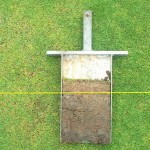
Sand Top Dressing - that ubiquitous and apparently simple greenkeeping operation indulged in by most clubs annually is actually a much more complex operation than most give it credit for. In this article John Quinn explains the mechanics of top-dressing. He explains what it can and can't do and why you must understand some soil science before top-dressing is considered.