Home » Articles

Ecology 2. Ecological Terms for Bowling Greenkeepers

ecological terms for greenkeepers

However we choose to interact with this bowling green ecosystem (with or against nature) we will be working within a dynamic, constantly changing environment and it is vital that we understand this before stepping off into a new program of maintenance. In other words we need to think of our green as an eco-system. Getting to grips with some universal ecological terms will be useful.

Read more

Bowling Green Ecology – Pesticides

Bowling Green Ecology 1 Pesticides

Chemicals can affect the soil and the micro-organisms contained within it. Of course, in some cases this is exactly the effect that is required. Fungal pathogens such as those responsible for Fusarium disease in turf are micro-organisms and we might think, that logically, it's a good idea to be rid of these.

But is it?

Read more

Tackling Hydrophobic Soil and LDP: Some key research findings

wetting agent research

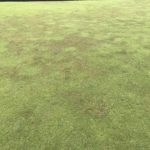
The management of bowling greens often presents complex challenges, one of the most prevalent being the occurrence of localised dry patch (LDP) due to hydrophobic soil conditions. Addressing this issue effectively is crucial for the health and performance of your green and wetting agents have emerged as a key tool in this endeavour.

However, concerns have been raised about the potential toxicity of commonly used chemical wetting agents, leading to a call for safer, more environmentally friendly alternatives. 

Only Academy Members can access this post. If you are an Academy Member, please log in to access the full post.

Read more

Understanding Wetting Agents and their Role in Combatting Localised Dry Patch (LDP)

LDP makes wetting agents a key tool in the greenkeepers armoury

Some wetting agents are made from harsh chemicals that can be harmful to the environment and potentially toxic to humans and animals. However, wetting agents made from biodegradable and environmentally friendly ingredients are available. These products are designed to be safe for use around people, pets, and wildlife, and they break down naturally in the soil over time, leaving no harmful residues behind.

Read more