Each of the grass plants in our green is akin to a little factory where Carbon Dioxide and Water are broken down and converted to a sugar based plant food that can be used immediately to fuel the plant's growth processes or converted to starch and stored throughout the plant for future use.
The main difference between the two groups is the way in which they photosynthesise or produce food for themselves. The first product of photosynthesis in cool season grasses is a 3 Carbon sugar molecule so these grasses are commonly referred to as C3 grasses. In warm season grasses the first
If a product’s real purpose is to kill earthworms then this is now illegal for turf application in the UK. It's always best to stay compliant with UK pesticide legislation, honest with your players and committee, and aligned with a longer-term view of soil health. That’s been the Bowls Central way since day one.
Downcast is a non-pesticidal liquid that deters surface worm activity and encourages it deeper in the profile. It doesn’t kill worms; it helps keep their good work (aeration, aggregation, nutrient cycling) where it benefits the soil without spoiling the playing surface.
The soil food web has become an increasingly popular term in greenkeeping and bowling green management. The problem-solution-problem, or symptoms approach to greenkeeping has been exposed as fundamentally flawed by the diminishing list of available pesticides now available to turf managers. Is there a better way to manage greens...yes. And the extraordinary discovery is that a greenkeeping program that focusses on the green as an eco-system is fully compatible with producing tight, natural turf dominated by the fine perennial Fescue and Bent grasses.
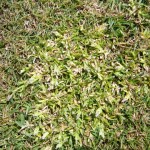
Transitioning your green from Poa annua to bent/fescue is not only critical to achieving a Performance Bowling Green, but is actually a realistic goal. The spongy, soft turf associated with annual meadow grass is less than ideal for bowls. Common wisdom says that this can't be done without major disruption and that even after it is achieved it wont last. This article explains in detail how to undertake the transition of your green from Poa annua to bent/fescue turf and dispels the myths about stressing Poa. This is the way to change your green permanently and without fuss. It will also save your club money on maintenance, so what's not to like?