
Today we'll try to get a better handle on Soil Texture and discover how some of the soil fractions come about. In particular we will look at the complexity of sand, before getting a better understanding of how soils are formed in the first place. This will help us to understand the importance of sand in bowling green maintenance, but hopefully also to understand more fully, its limitations.
Bowls Green Soil Texture part 1.
This subject is so important to the future performance of bowling greens that I would say it is essential for greenkeepers to understand this subject over any other.
The physical condition of the soil in the bowling green is the most important aspect of bowling green maintenance because it impacts every other aspect of green management. The physical properties of your soil dictate everything from drainage, nutrient availability and pH right up to green speed, green smoothness, consistency and ultimately whether or not the green performs to a high standard.
But what do I mean when I say Soil Physical Properties?
Grass, greenkeepers and the soil food web

The soil food web has become an increasingly popular term in greenkeeping and bowling green management. The problem-solution-problem, or symptoms approach to greenkeeping has been exposed as fundamentally flawed by the diminishing list of available pesticides now available to turf managers. Is there a better way to manage greens...yes. And the extraordinary discovery is that a greenkeeping program that focusses on the green as an eco-system is fully compatible with producing tight, natural turf dominated by the fine perennial Fescue and Bent grasses.
How to painlessly transform greens from Poa annua to bent/fescue
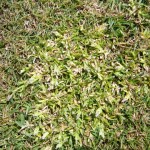
Transitioning your green from Poa annua to bent/fescue is not only critical to achieving a Performance Bowling Green, but is actually a realistic goal. The spongy, soft turf associated with annual meadow grass is less than ideal for bowls. Common wisdom says that this can't be done without major disruption and that even after it is achieved it wont last. This article explains in detail how to undertake the transition of your green from Poa annua to bent/fescue turf and dispels the myths about stressing Poa. This is the way to change your green permanently and without fuss. It will also save your club money on maintenance, so what's not to like?
The Real Cause of Fusarium—and Why Fungicides Always Fail
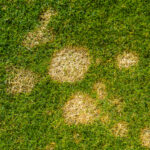
When fungicides are used repeatedly, they don't just suppress disease temporarily; they erode the very microbial networks that would naturally keep disease in check. This explains why many greens find themselves caught in a cycle of recurring outbreaks and escalating chemical inputs.