
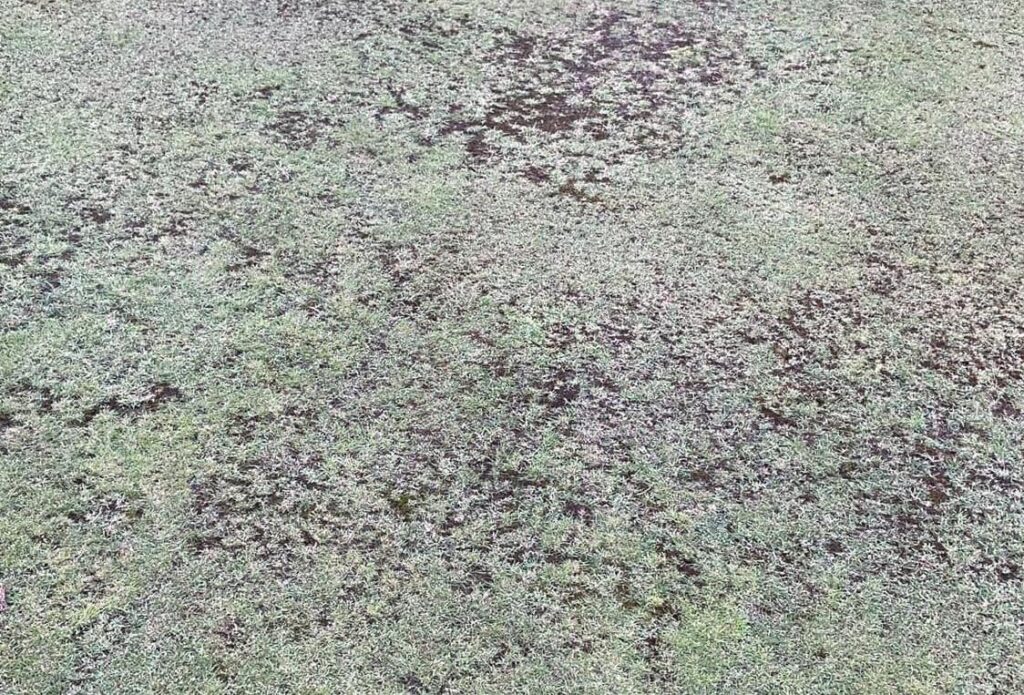
Soil sampling will reveal powder dry soil. Unsightly brown patches of turf start to spread over most of the green. The turf on these areas recedes causing a bumpy surface and in most cases the weakened grass will be taken over by moss. But what can be done to cure the problem?
Category: Greenkeeping
Persistent Moss Problems
LDP causes large areas and even whole greens to resist moisture. The soil has become Hydrophobic. Water will lie on the green surface for a long time and the soil underneath will remain powder dry and unable to support plant life. The result is large brown patches on the surface where the thatch eventually dries out so much that it becomes hard and brittle. At this point it will shrink to below surface level, causing large pans of low lying turf which of course affect the performance of the green to a level that is unacceptable. Temporary measures such as sarrel rolling and wetting agent application can help to get water into the green, but the water still wont adhere to the soil particles below making sure that most of the irrigation water runs straight through to the drains.
Key Elements for Success with Natural Greenkeeping
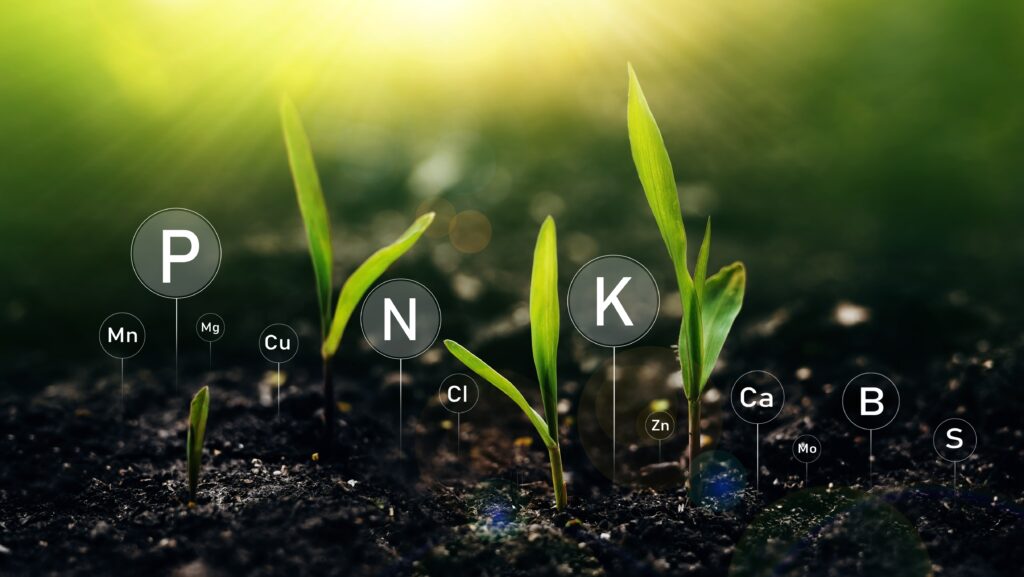
As greenkeepers, we understand the importance of maintaining a healthy, vibrant and resilient green. In over 40 years of greenkeeping, however, I've noticed that a lot of what passes for greenkeeping has actually been very damaging to our soils, making it increasingly difficult to produce a good surface, reliably and economically.
A lot of greens are now difficult to maintain, exhibiting a host of common problems such as Localised Dry Patch, Moss Infestation, Excess Thatch, Disease, Thinning Grass Cover, Puddling, Bumps, Bad Runs and Dips
CEC-Cation Exchange Capacity
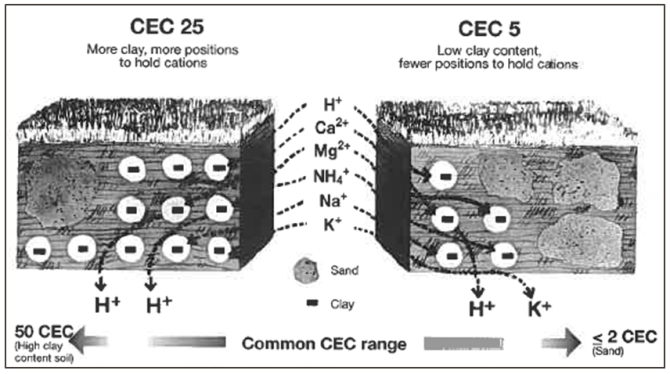
You will often see CEC mentioned in passing on a soil analysis report, but what does this mean?
Ecology 8. More disturbing news for bowling clubs
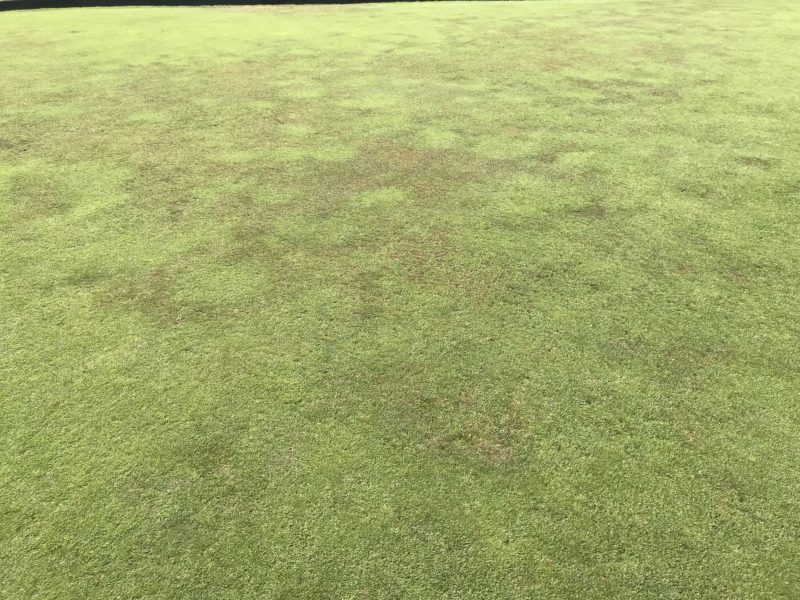
Every day Greenkeeping and bowling can have a high disturbance value and put the very grass we are tending under a lot of stress. Mowing, verti-cutting, wear from bowling, pests, diseases, disorders, aeration, top dressing, water and nutrient availability and soil pH can all cause stress to a greater or lesser degree and this will change depending on grass species, general green condition, weather and soil type/condition.