
Beyond plant growth, seaweed feeds the microbial community that underpins a healthy green. Polysaccharides like laminarin and fucoidan stimulate beneficial soil microbes, improve aggregation, and enhance nutrient cycling.
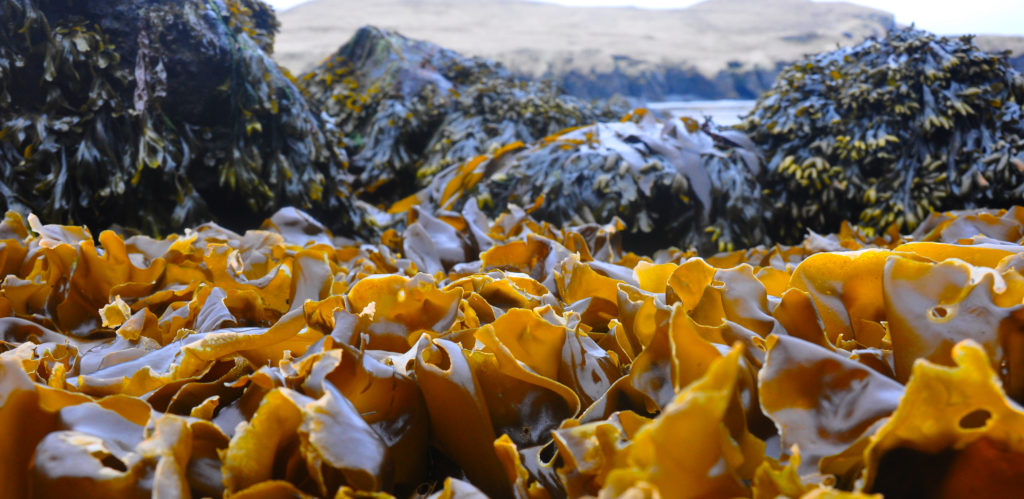
Beyond plant growth, seaweed feeds the microbial community that underpins a healthy green. Polysaccharides like laminarin and fucoidan stimulate beneficial soil microbes, improve aggregation, and enhance nutrient cycling.

In 1988, Grime, Hodgson and Hunt published their study called “Comparative Plant Ecology – A functional approach to common British species”, which on the face of it sounds like ideal bed time reading for insomniacs. However, the work these scientists carried out might make you sit up in bed and take notice when you realise how relevant it could be to the performance of your bowling green.
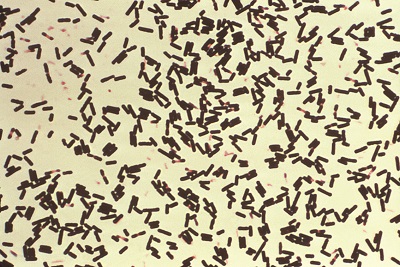
All bowling greens play host to a population of micro-organisms numbered in the billions and this can be split down further into smaller groups such as fungi, bacteria and nematodes, all of which have a role to play in maintaining a healthy bowling green.
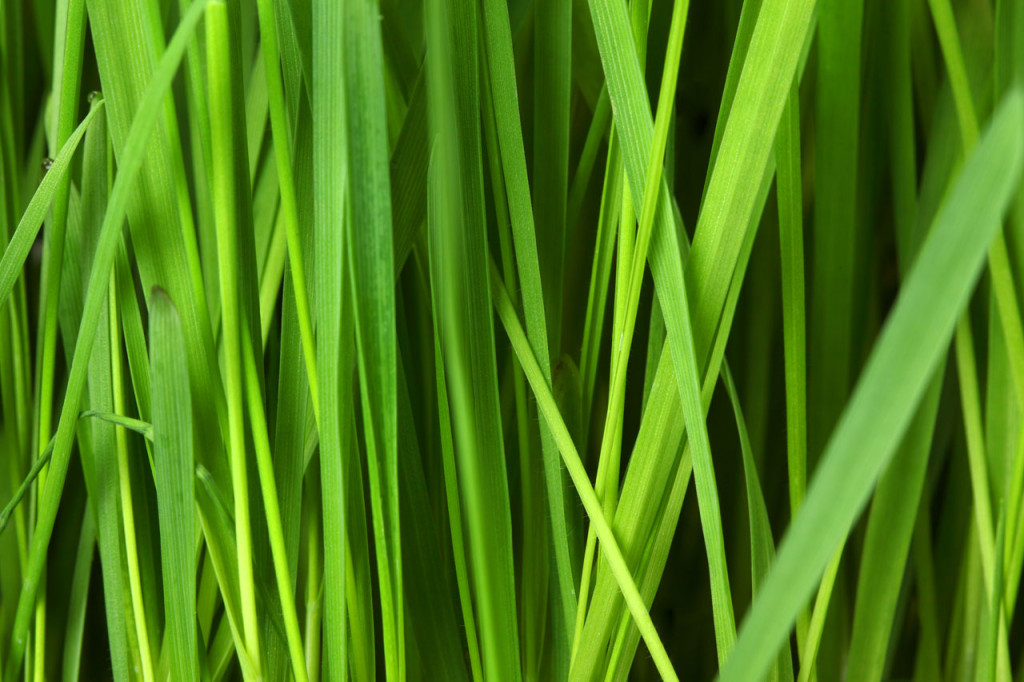
Keeping the bowling green eco-system in balance is important in order to minimise the exposure of our grass plants to a range of environmental stresses. These stresses can be thought of as environmental constraints to growth and regeneration and can come in many guises, such as a shortage of light, water, nutrition or extremes of temperature. Conditions within the soil can induce stress in the grass plant. These include...
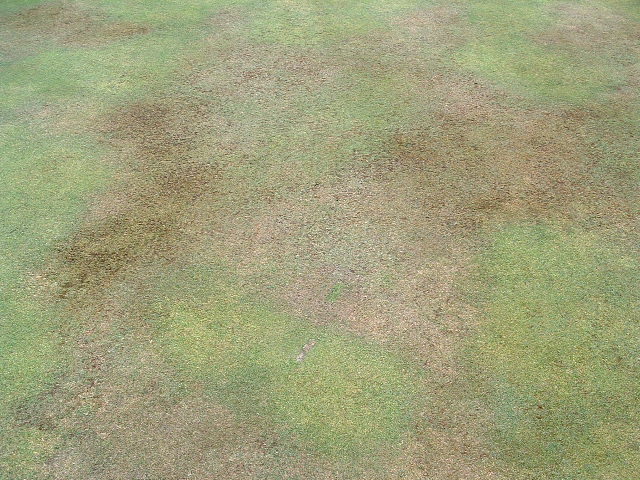
Biotic and abiotic factors interact with each other. For example low oxygen levels in turf (abiotic) will affect the health of the turf roots directly when the soil becomes increasingly acidic making it harder for roots to extract nutrients from the soil, and indirectly by reducing the population of beneficial bacteria (biotic factors) which play a role in breaking down organic material to release nutrition.