Author: John
Master Greenkeeper John Quinn is the author of Performance Bowling Greens, and several other titles on Greenkeeping, Club and Business Management.
Rhizosphere and Phyllosphere
Understanding these microhabitats and their roles can help us manage our turf more effectively. By fostering beneficial microbial communities in these areas, we can enhance plant health, improve resistance to stresses, and ultimately, maintain healthier turf.
Sweat the small stuff, for a high performance bowling green this year
If your green maintenance budget was cut in half this year what would you do?
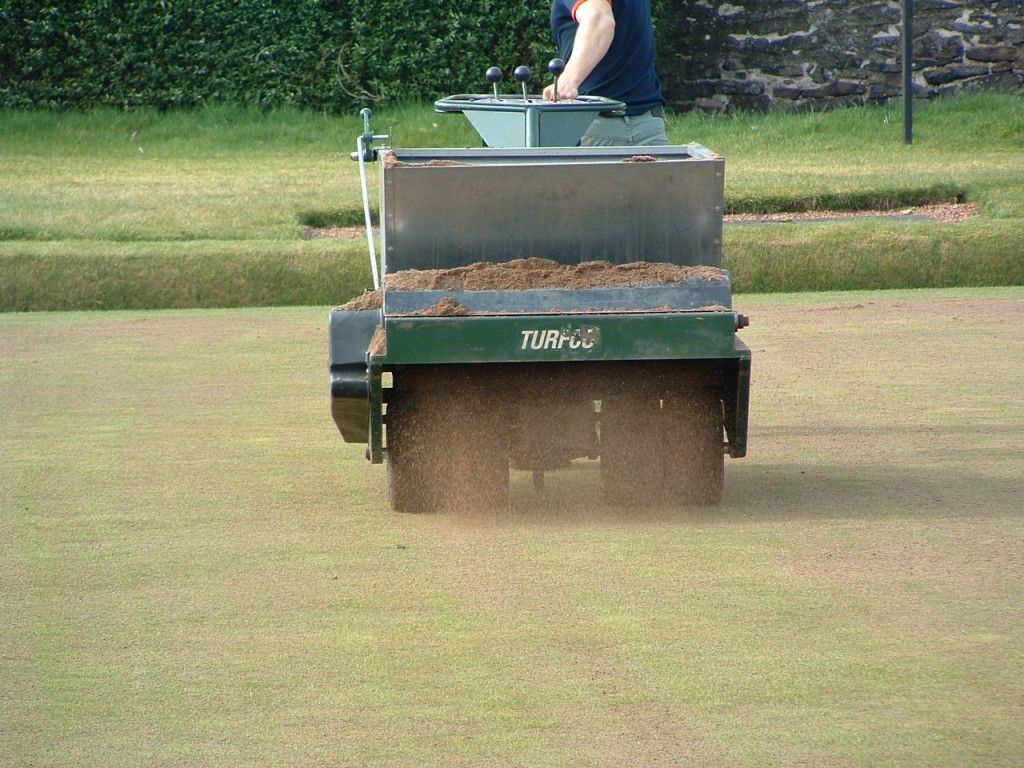
Most clubs when faced with cuts to the greenkeeping budget, will try at all costs to keep the most important work in the plan. Unfortunately, important frequently gets confused with dramatic, which means that the big expense of top-dressing in the spring and autumn usually stays in the plan and I wish it didn’t for all the reasons I’ve explained over many articles.
Meantime, the work deemed less important and which of course is less dramatic is often sidelined or dropped as a result of a fear of what might go wrong if the big, sexy stuff is missed. These big jobs “must be doing a lot of good”, or so the thinking goes, because they’re so expensive and disruptive?
Bowling green nutrition, how it works
We are familiar with the concept of our grass plants being composed mostly of water (75-85%), but what else is in a grass plant? The answer is that the dry matter of the plant is made up of a mix of 16 elements, commonly referred to as the essential nutrients. We describe them as essential because the plant can't exist or complete its life cycle if any of these nutrients are lacking to any great degree.
How Wetting Agents Work
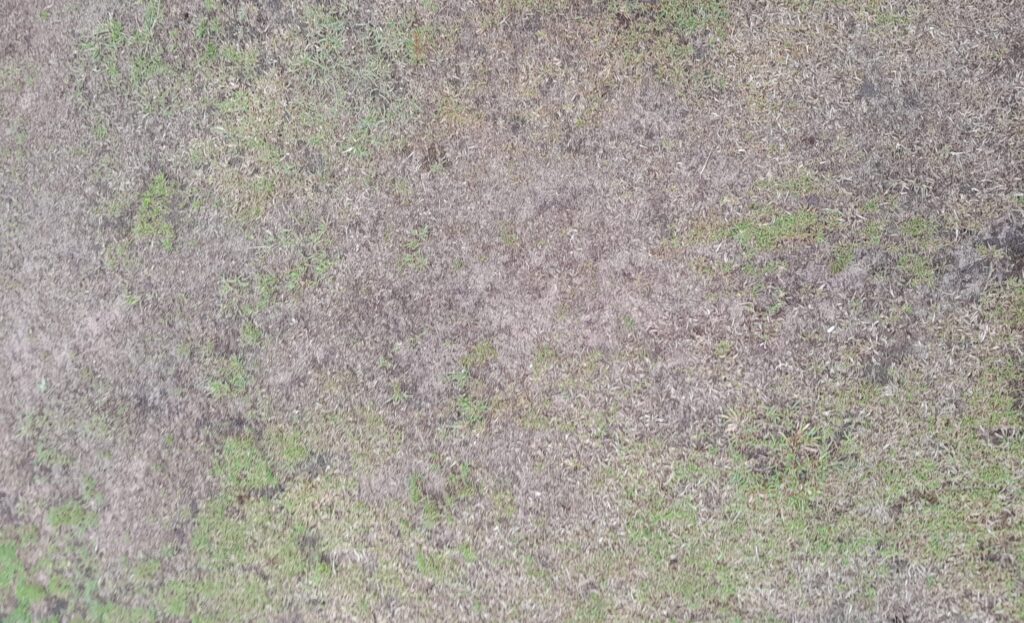
The re-wetting effect will last as long as sufficient wetting agent remains bonded to the sand particles, but water repellency and the associated dry patches will return when this is no longer the case. That is why it is important to work on the soil eco-system as a whole to effect a cure for the underlying issues of imbalance brought about by excess sand and the routine use of inorganic fertilisers and fungicides over decades.