Home » Greenkeeping » Page 14

Category: Greenkeeping

Mycorrhizal Fungi

Fungi, the Bogeymen?

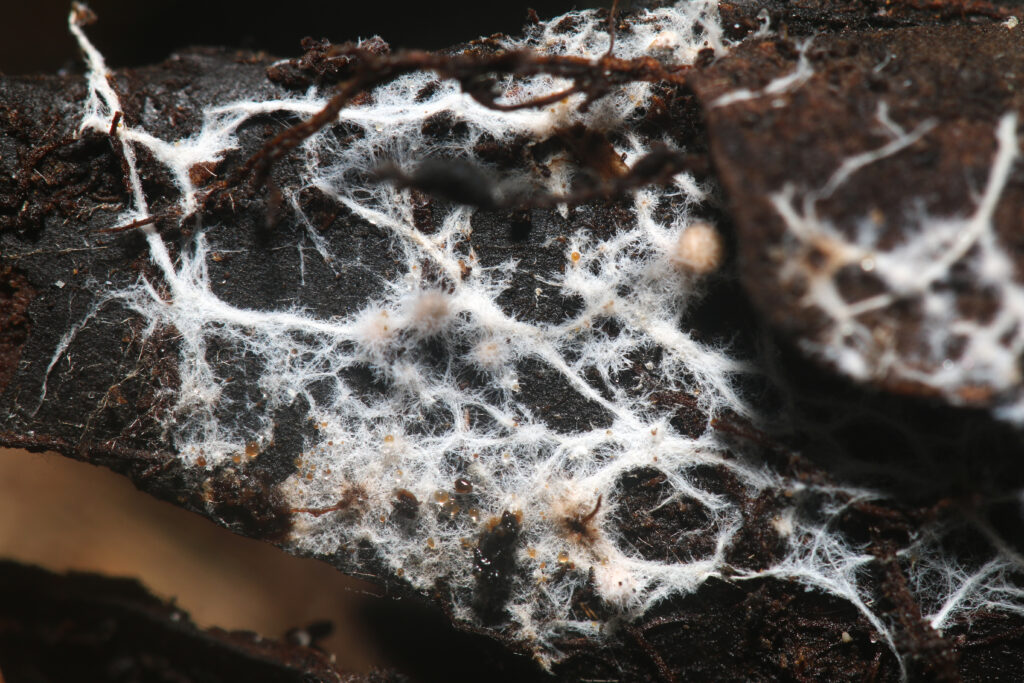
The highly sandy nature of many bowling greens and the historical routine use of fungicides of course means that the fungal community is at best compromised. However, we can encourage they're development by providing bio-stimulants. These are typically long-chain sugars such as—kelp, humic acid, and molasses derived bio-stimulant materials. In fact, trials have shown that spraying Trichoderma fungi (a natural Fusarium suppressor) with 20 litres of a biostimulant such as Molturf per hectare extended its protective activity for over five weeks. Even at lower rates, molasses is a highly effective and underutilised biostimulant.

Read more

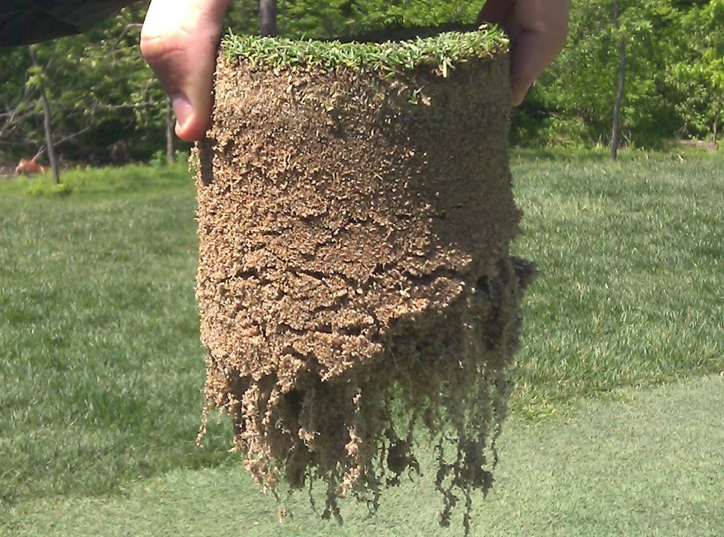
Root mass is important for a healthy bowling green

Fix your bowling green step 3

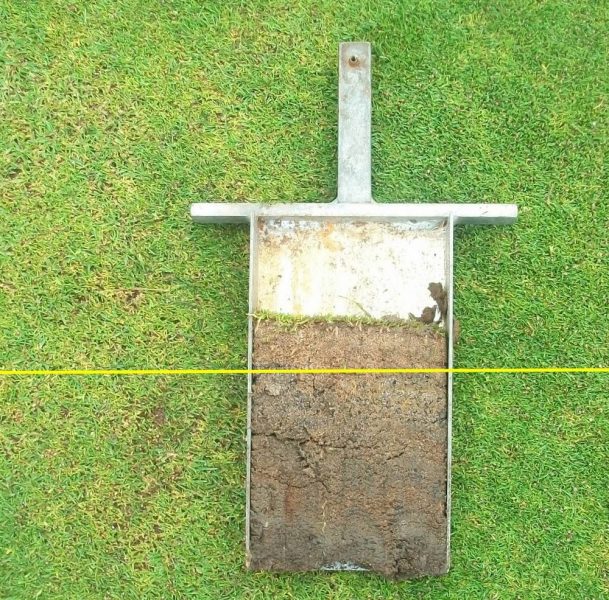
In parts 1 and 2 of this series on how to fix your bowling green, we discussed the process and importance of taking regular soil profile samples and discovered what the soil sample can actually tell us about the condition of the green. In part 3 John links this to demonstrate why each of the visual signals from the soil sample point clearly to one or more of the multitude of issues we experience on poorly performing greens. From disease outbreaks to skinning of heads and bad runs on rinks, the humble soil profile sample can tell us a lot about where we're going wrong and point to the answers that will help us create a performance bowling green in the near future.

Read more

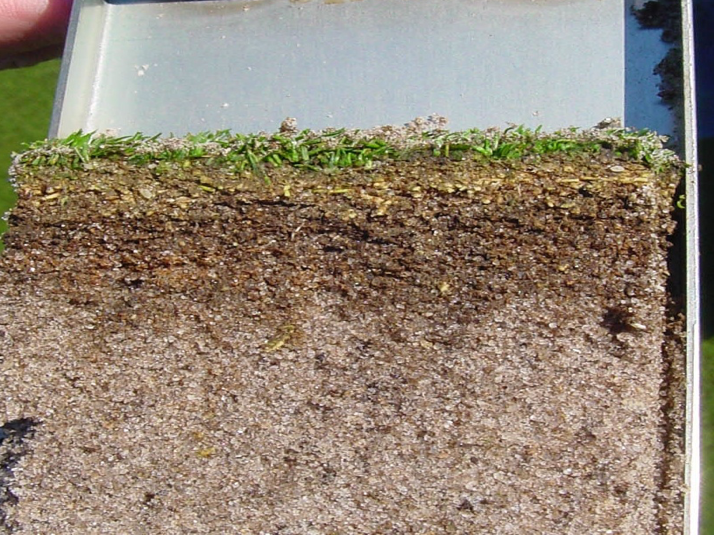
Thatch Layer

Fix your bowling green step 2

In this article we take the soil samples you removed in Fix your bowling green Step1 and look more closely at them to discover what's going on under your green. This is one of the most valuable practices that any greenkeeper can undertake as it can reveal a wealth of information about the condition of your green that you could previously only guess at.

Read more

Autumn Bowling Green Maintenance Question Time

50 Years of Sand

From the very beginnings of the game of bowls, most clubs bowled on a green constructed largely of local top soil, built, prepared and seeded by the club members, perhaps with the help of a local gardener or farmer. Maintenance was largely mowing, turning the rinks on flat greens, keeping the surface clear of debris and worm casts and an occasional roll before a big match. In the autumn, a squad of members would descend on the green with forks to aerate or spike the green, before putting it to bed for the winter with a final cut and perhaps a bag of fertiliser.

Read more