
In the performance evaluation of the bowling green, one of the key factors is turf grass density which is important due to its ability to influence other performance factors and in monitoring bowling green and soil health generally.
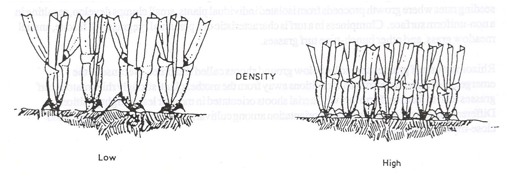
In the performance evaluation of the bowling green, one of the key factors is turf grass density which is important due to its ability to influence other performance factors and in monitoring bowling green and soil health generally.
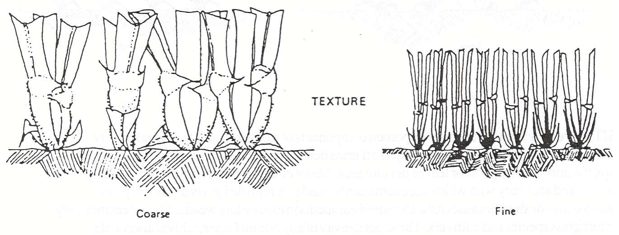
In part 4 of our series on the Performance Evaluation of the Bowling Green we move on to examining turf texture. Texture is closely tied in to some of the other aspects of Bowling Green Performance we have looked at so far in this series. Texture is one aspect of turf management that the greenkeeper can influence greatly, but seems so simple that it is often overlooked.
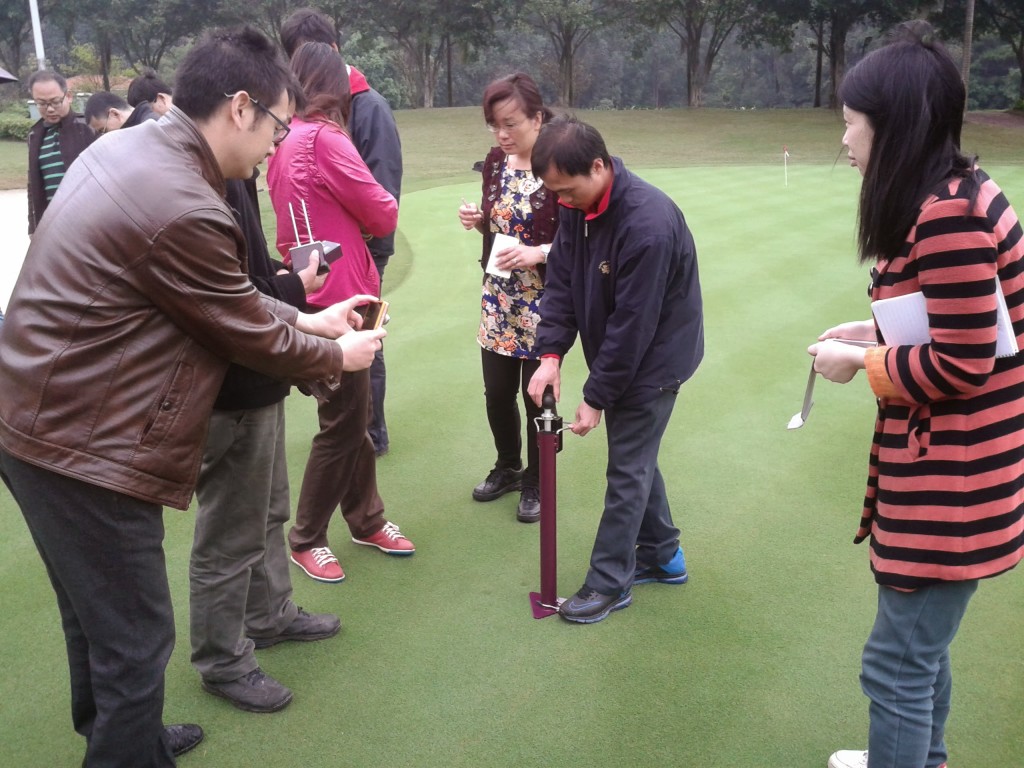
Measuring bowls green surface firmness is the critical 2nd step in the testing of our hypothesis on bowls green performance. In isolation, testing surface firmness only reveals yet another symptom of good or bad green performance. When allied to an assessment of soil moisture levels however, it can reveal some enlightening findings on the way to a Performance Bowling Green.
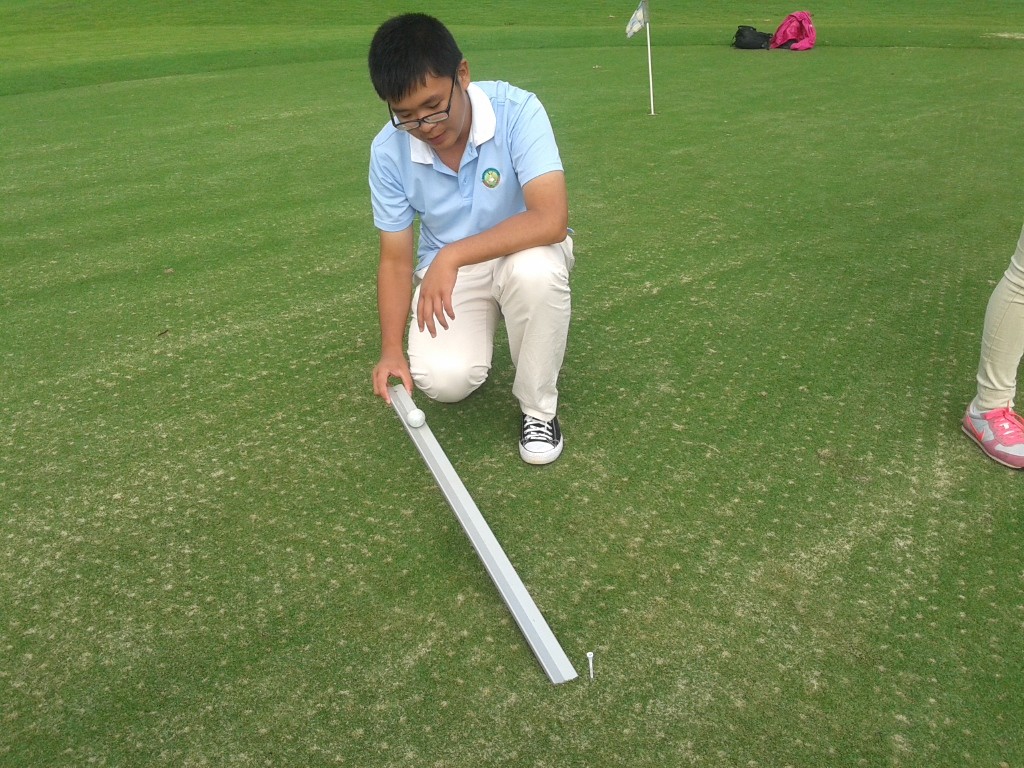
Bowls green smoothness and trueness are measurements that lie at the very heart of bowling green performance. John defines these elusive performance parameters and reveals some of the high tech equipment being developed for measuring them objectively.
There's a solid and direct link between greenkeeper's nous and bowls green performance. Most greenkeepers have an instinctive understanding of what affects bowling green performance and it's a short leap from there to putting our greens right for the long term. Somehow though, it just doesn't work like that. Maybe we don't have the courage of our own convictions or perhaps we've been indoctrinated into the belief that greenkeeping is complicated.