Home » Greenkeeping » Page 26

Category: Greenkeeping

Feeding the Roses with Pound Notes

Most clubs have great looking roses!

I have lost count of the words I have written, conversations I have had and arguments I have inadvertently started about one of  greenkeepings greatest follies;  routinely top-dressing your green with high sand content top dressing composts year in and year out. During my greenkeeping career over 3 decades and during countless hours of research I have been amazed to find clubs where 5, 7 or even 10 tonnes of top-dressing is being applied every autumn.

The really tragic thing about this practice is that in every case the club are paying for a contractor to hollow tine (core) the green and then apply this material.

Let me ask you where the cores from your green go after they are lifted?

I would hazard a guess that you either spread them on the rose beds around the green or give them away to members for their gardens.

Now hollow tining is typically carried out to a depth of 100mm (4 inches) and usually only 10-15 percent of the core is unwanted thatch.

So that means that 85-90% of each core is made up of all of the expensive top-dressing you have been applying over the years. No wonder the roses look so good!

With top-dressing now costing around £160 per tonne, its easy to see how hundreds of pounds are wasted like this on nearly every bowling green in the UK every year.

In addition to this there are a lot of negative agronomic impacts associated with this practice.

Localised Dry Patch is exacerbated by excessive sand content. This causes areas of the green surface to become impervious to water and dry out completely. The end result is an un-healthy, bumpy green which becomes susceptible to disease, moss infestation and loss of grass cover.

This is just one instance of good money being thrown after bad at just about every bowling green across the land.

Now this is not to say that top-dressing is never required or isn’t a valuable tool in the greenkeepers arsenal. There are times when top-dressing is absolutely the right thing to do.

However, there is generally no need to blindly apply several tonnes every autumn, only to keep the roses looking good!

Over-seeding Fact and Fiction

Another very popular subject on this site is over-seeding of greens in Autumn.

Over-seeding is commonly carried out as part of the autumn bowling green maintenance and renovation program and is very often a disappointment.

You would expect this work to quickly fill in the bare patches and spaces in the sward left by  disease, localised dry patch and a host of other green problems, but this is very often not the case…why?

The answer to most disappointing results from over-seeding is “competition”. Competition from the mature, indigenous grasses whether fine or weed grasses like annual meadow grass usually reduces the success or survival rate from over-seeding to a very small percentage.

This quite often comes as a surprise to greenkeepers who have observed a very good “take” shortly after seeding (7-14 days). At this early stage it is not uncommon to see vigorous lines of dense new seedlings bursting forth from the green. This however, is usually a false reading.

At this very Read more

Compost Teas

Compost Tea Quick Start Guide

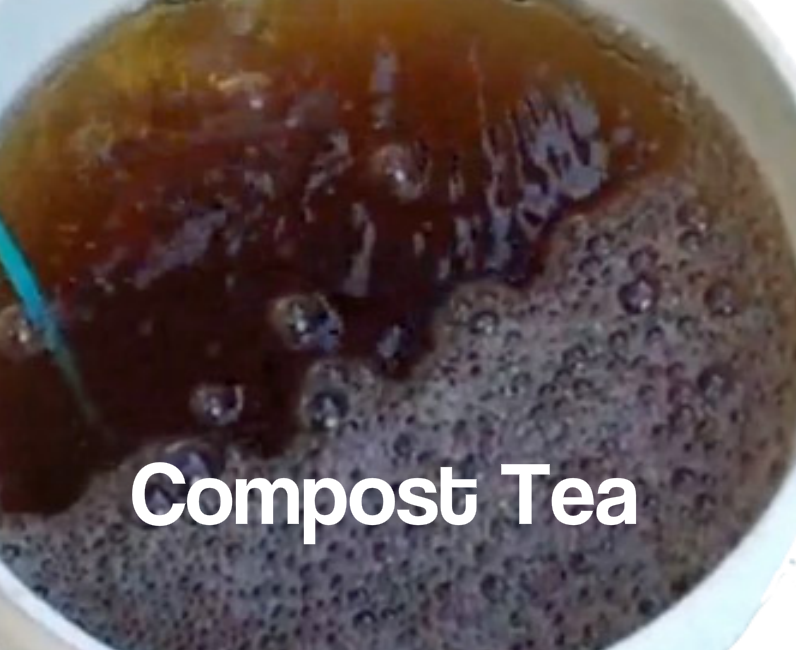
Compost Tea is a home made spray that is applied to fine turf to increase the micro life in the soil. It reintroduces missing microbes and boosts the populations of all of the main beneficial microbe groups such as bacteria, protozoa and the all important Fungi. Some of these help to degrade thatch, turning it into valuable humus, giving life and body to the depleted and often excessively sandy soil in many bowling greens.

Read more

Root mass is important for a healthy bowling green

Performance Greens Program – How to Get Started Fast and Cheap

With the new bowling season bearing down on us fast, I’ve received a good few emails and calls asking me whether or not it’s worth trying to start the Performance Greenkeeping Program from scratch so close to the new season?

Several of these contacts had the feeling that there was no point starting at this late stage and that it might be better to wait until the autumn, but all that would guarantee is yet another season of conventional greenkeeping and mediocre green performance.

The truth is that of course it would be great if every club could get in touch well in advance of the season opening day and request a full soil analysis and greenkeeping plan to work from, but all is not lost if you haven’t done that yet and there is a way you can usefully get started now.

Start Now

Spring Starter Pack

If you’ve been a reader of Bowls Central and/or Performance Bowling Greens for any length of time, you will know that the conditions that make greens perform badly, on the whole originate from decades of conventional greenkeeping.

This has featured excessive use of high salt mineral fertilisers, lawn sand, sulphates of iron and ammonia and in many cases the over use of sand top-dressings. To top it off, there has been a frequent need for fungicides to combat outbreaks of turf disease.

All of these problems combine to form what I’ve termed the Circle of Decline.

Circle of decline

Therefore changing this condition around is the answer and you can do that by starting to liven up your soil’s biology now.