
Essential Greenkeeping tasks for November include aeration, disease prevention and keeping the surface clear of worm casts.
Author: John
Master Greenkeeper John Quinn is the author of Performance Bowling Greens, and several other titles on Greenkeeping, Club and Business Management.
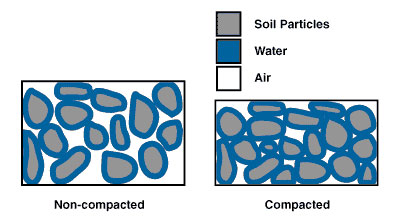
Bowls Green Compaction
I once commented that there are only ever two real problems in bowling greenkeeping; compaction and thatch, with the rest of the myriad problems we come across being merely symptoms of these Big Two. Lately, I've revised that thinking, as the more I see of ill treated bowling greens the more I realise that, although they are important, even thatch and compaction are only symptoms too. The trouble we face in greenkeeping is that the industry wants us to treat symptoms. If we treated the root cause after all, we wouldn't need to buy half as much stuff! But before we get too carried away, let's have a recap on what bowls green compaction actually means.
[wp_eStore_fancy_display id=37 type=3 style=2]

Turf problems and how to fix them
Greenkeepers are bombarded with turf problems in the form of disease, weeds, pests and disorders. Now, with many pesticides being banned and unavailable it’s time for us to take back control of our turf. The good news is that it is actually easier without chemicals, because we are forced to learn more about the underlying causes of problems and become more familiar with the ecology of our greens.
Getting your aiming points right.
In today’s Bowls Tip video, John Tiplady, the creator of Tippers Chalkies, introduces a failsafe method for getting your aiming points right, or how to get your bowls going where you want them to!