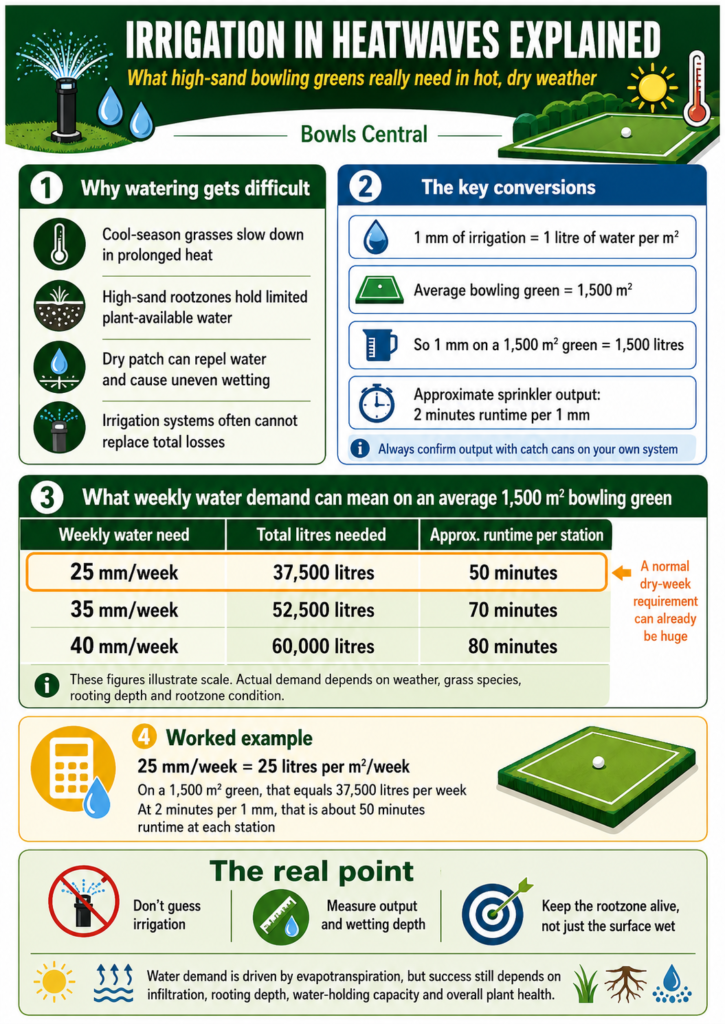
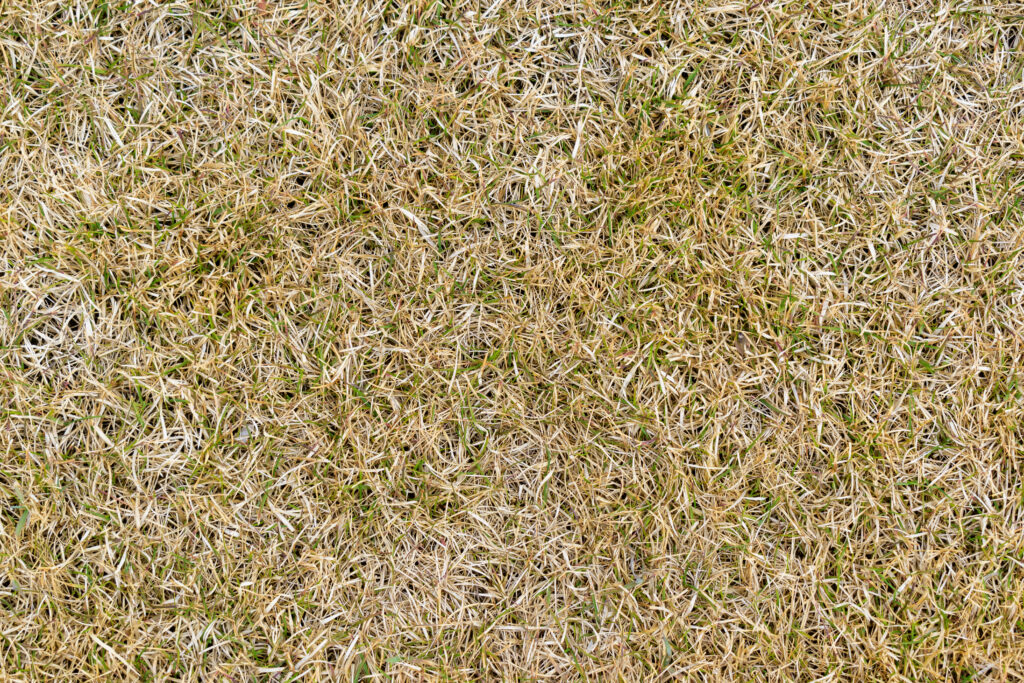
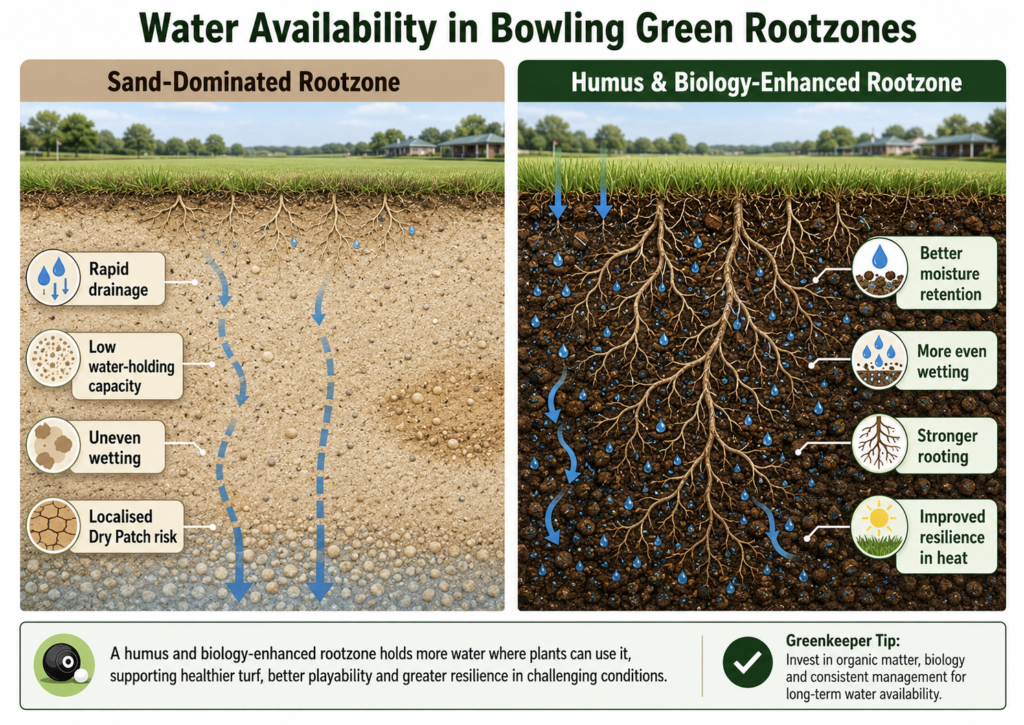
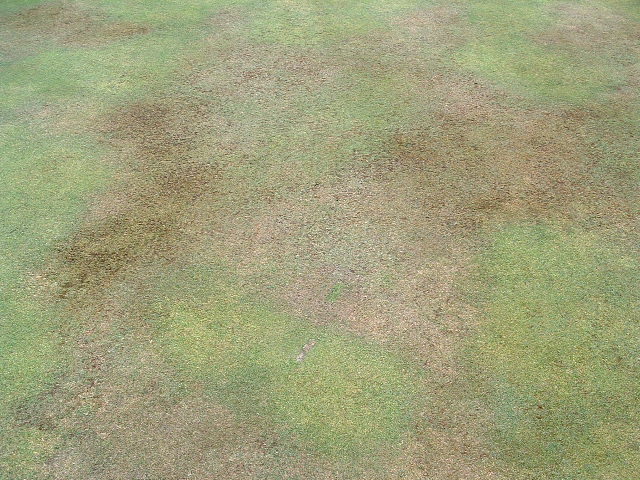
Localised Dry Patch is a common problem on greens in summer and it can take a while to conquer it. Could some of our traditional management practices be making it worse?
Master Greenkeeper John Quinn is the author of Performance Bowling Greens, and several other titles on Greenkeeping, Club and Business Management.
Localised Dry Patch is a common problem on greens in summer and it can take a while to conquer it. Could some of our traditional management practices be making it worse?
In the performance evaluation of the bowling green, one of the key factors is turf grass density which is important due to its ability to influence other performance factors and in monitoring bowling green and soil health generally.
This carefully selected trio of products delivers steady, consistent turf growth without flushes, while building soil health and reducing the need for firefighting inputs. It’s efficient, economical, and designed specifically for fine turf under pressure.
The great debate about green speed has raged on since the beginning of the game. But what are the factors known to affect green speed?
In order of their impact on green speed these are the top 7 factors that you should bear in mind. Obviously there are others such as weather patterns, level of play etc, but these are largely out of the greenkeepers control and in any case do not figure highly in green speed management.
In the rush to get the green ready for the new season, its sometimes easy to overlook the small and seemingly less significant jobs around the green.
However, these can be very important and can save you a lot of problems later and they help make the place look, play and feel better for opening day.