
During dry and hot weather the need to water your green properly can't be over emphasised. Although it can be tempting to let the green burn to achieve speed, this can turn to disaster and cause the green to fail later in the season.
Master Greenkeeper John Quinn is the author of Performance Bowling Greens, and several other titles on Greenkeeping, Club and Business Management.
During dry and hot weather the need to water your green properly can't be over emphasised. Although it can be tempting to let the green burn to achieve speed, this can turn to disaster and cause the green to fail later in the season.
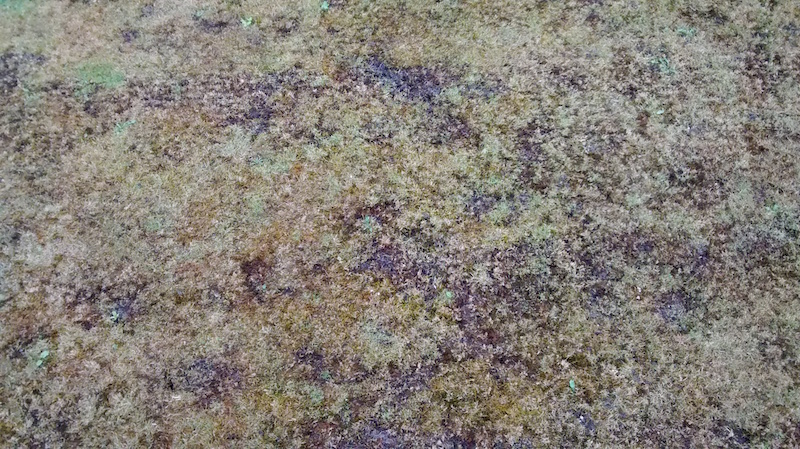
Some wetting agents are made from harsh chemicals that can be harmful to the environment and potentially toxic to humans and animals. However, wetting agents made from biodegradable and environmentally friendly ingredients are available. These products are designed to be safe for use around people, pets, and wildlife, and they break down naturally in the soil over time, leaving no harmful residues behind.
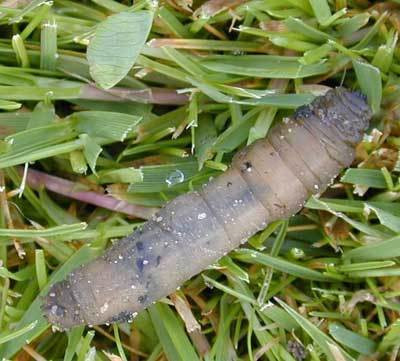
TL;DR: Greenkeepers are facing increasing challenges due to climate change, outdated practices, and pest infestations. While Chlorantraniliprole-based insecticides might offer a quick and temporary fix, they disrupt soil microbiology and pose environmental risks. The withdrawal of pesticides, however, presents an opportunity to work smarter and in harmony with nature.
Chitin, found in insect exoskeletons and fungal cell walls, plays a crucial role in soil health. When broken down into chitosan, it enhances plant growth, improves soil structure, and stimulates beneficial soil microorganisms. However, conventional greenkeeping can disrupt these natural processes, leading to a deficiency of beneficial substances like chitosan.
By reducing reliance on artificial inputs and reintroducing natural substances like chitosan, we can restore the soil's natural balance and promote healthier, more resilient turf. Chitosan enhances plant growth and productivity through soil conditioning, plant health stimulation, microbiological associations, biocontrol, and bioremediation. Thus, chitosan plays a multifaceted role in the soil ecosystem, contributing to soil health, plant growth, and disease and pest resistance.
Performance turf requires heat and moisture and it is inevitable that you will have to turn to your irrigation system at this time to keep your green’s progress moving forward. Failure to keep up now could result in a disastrous season later on when the green dries out unevenly, succumbs to Localised Dry patch or simply doesn’t perform due to a lack of moisture early in the season.
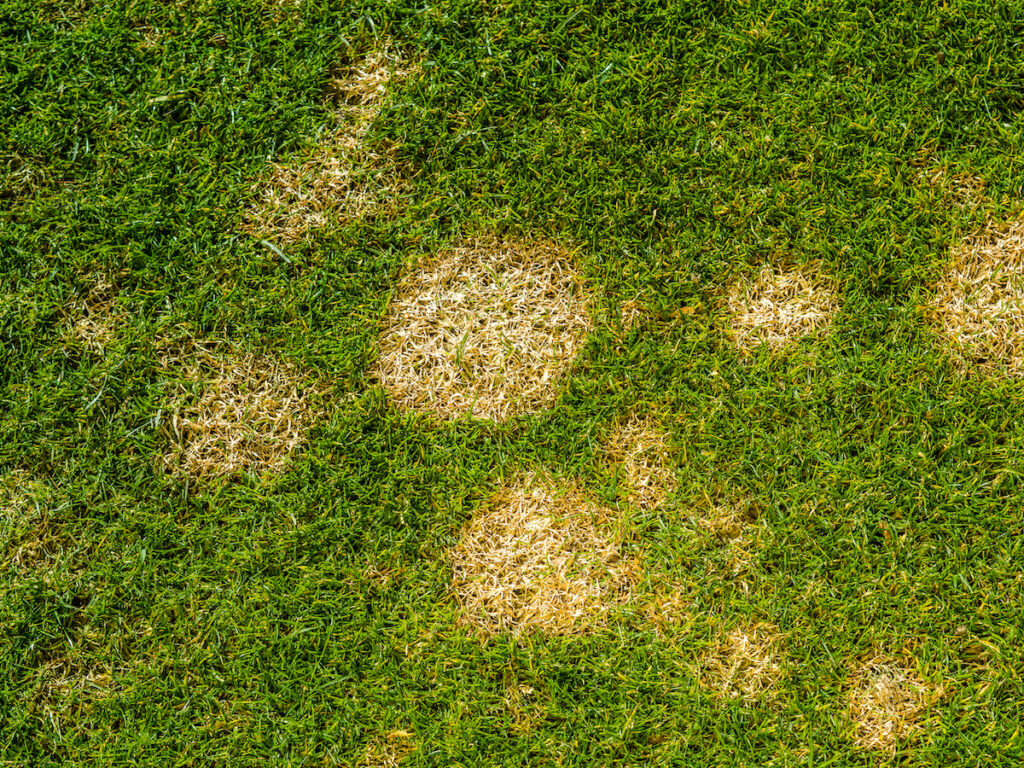
Managing diseases like fusarium patch can be a challenge for bowling greenkeepers striving for healthy, high-performance turf. While fungicides provide some relief, long-term reliance can weaken natural defences and disrupt soil health. Emerging research highlights the value of PotSi as a sustainable alternative to bolster turf resilience. By strengthening cell walls, enhancing stress resistance, and activating natural defence mechanisms, potassium silicate offers a proactive approach to reducing disease severity and recurrence. Discover how integrating this innovative solution into your maintenance programme can support greener, more sustainable greens.