I have lost count of the words I have written, conversations I have had and arguments I have inadvertently started about one of greenkeepings greatest follies; routinely top-dressing your green with high sand content top dressing composts year in and year out. During my greenkeeping career over 3 decades and during countless hours of research I have been amazed to find clubs where 5, 7 or even 10 tonnes of top-dressing is being applied every autumn.
The really tragic thing about this practice is that in every case the club are paying for a contractor to hollow tine (core) the green and then apply this material.
Let me ask you where the cores from your green go after they are lifted?
I would hazard a guess that you either spread them on the rose beds around the green or give them away to members for their gardens.
Now hollow tining is typically carried out to a depth of 100mm (4 inches) and usually only 10-15 percent of the core is unwanted thatch.
So that means that 85-90% of each core is made up of all of the expensive top-dressing you have been applying over the years. No wonder the roses look so good!
With top-dressing now costing around £160 per tonne, its easy to see how hundreds of pounds are wasted like this on nearly every bowling green in the UK every year.
In addition to this there are a lot of negative agronomic impacts associated with this practice.
Localised Dry Patch is exacerbated by excessive sand content. This causes areas of the green surface to become impervious to water and dry out completely. The end result is an un-healthy, bumpy green which becomes susceptible to disease, moss infestation and loss of grass cover.
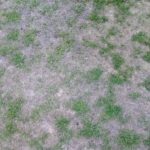
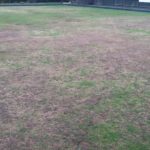
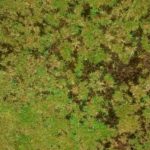
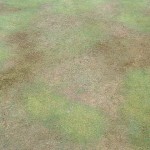
This is just one instance of good money being thrown after bad at just about every bowling green across the land.
Now this is not to say that top-dressing is never required or isn’t a valuable tool in the greenkeepers arsenal. There are times when top-dressing is absolutely the right thing to do.
However, there is generally no need to blindly apply several tonnes every autumn, only to keep the roses looking good!