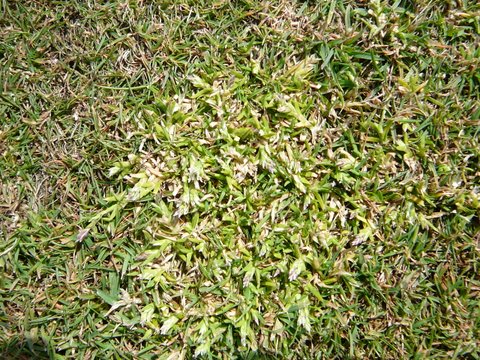
Natural greenkeeping is about rhythm, not routine. And the best greenkeepers are those who tune into the biology of the surface—not just the calendar on the wall.
Master Greenkeeper John Quinn is the author of Performance Bowling Greens, and several other titles on Greenkeeping, Club and Business Management.
Natural greenkeeping is about rhythm, not routine. And the best greenkeepers are those who tune into the biology of the surface—not just the calendar on the wall.
Opening day preparation is upon us, but where do you start? In the first of a new series of articles, John Quinn lays out a failsafe plan for getting the green ready for the big day.
The plant available water in bowling greens is determined by the physical characteristics of the soil. Most importantly the soil texture dictates the relative percentages of Macro, Meso and Micro pore space in the soil. This soil porosity also dictates the rate at which the green will drain. The balance between drainage and plant available water is one of the most critical components of a performance bowling green maintenance program. Here then is the very crux of all those arguments about top-dressing!
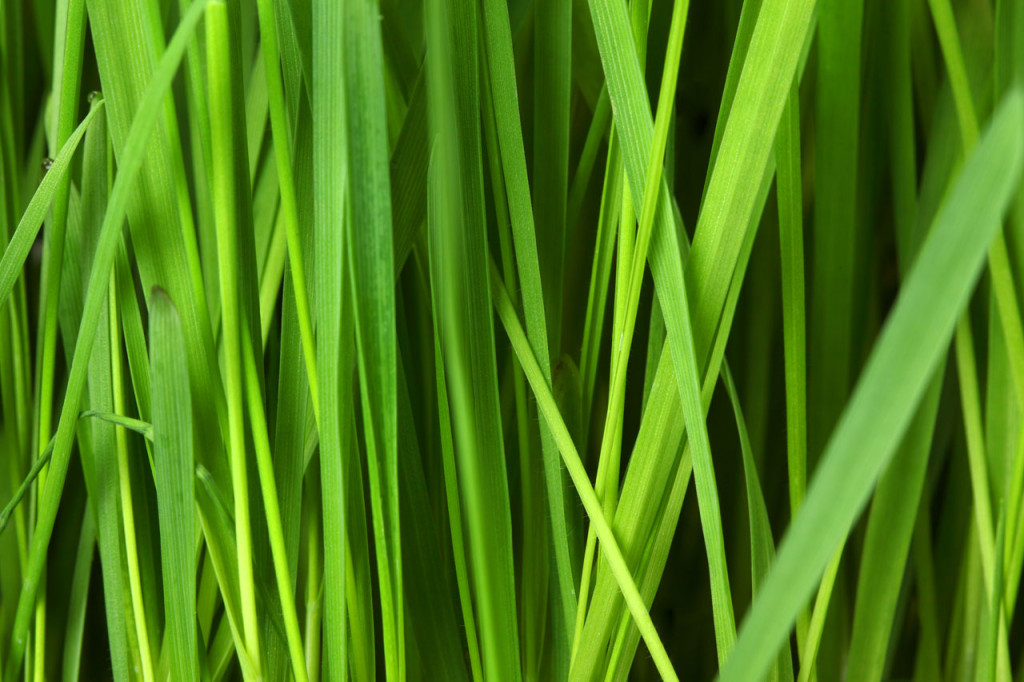
In the performance evaluation of the bowling green, one of the key factors is turf grass density which is important due to its ability to influence other performance factors and in monitoring bowling green and soil health generally.
This carefully selected trio of products delivers steady, consistent turf growth without flushes, while building soil health and reducing the need for firefighting inputs. It’s efficient, economical, and designed specifically for fine turf under pressure.