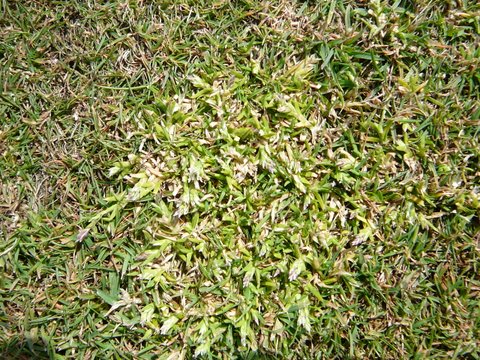
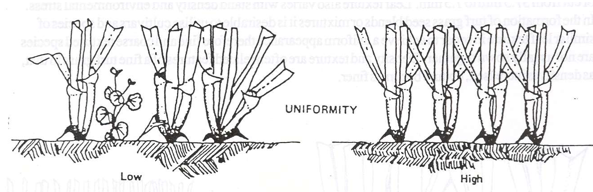
So far in this series of articles on the subject of bowling green performance we have used some of the common visual clues to assist in our evaluation of the turf. Today we'll break from that to dig a little deeper into the physiological aspect of the different turf grass species that influence what we see on the surface. Turf Grass Growth Habit can play a big role in the ultimate performance of the bowling green. so let's get started on indentfying the main differences.
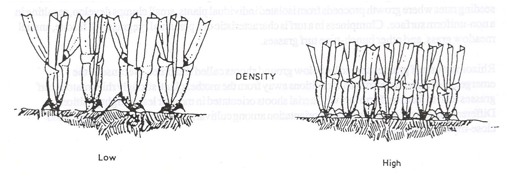
In the performance evaluation of the bowling green, one of the key factors is turf grass density which is important due to its ability to influence other performance factors and in monitoring bowling green and soil health generally.
The Performance Evaluation of the Bowling Green we embarked on last time relies on our ability to appraise a range of factors. Some of these are purely visual, while others are functional and can be quantified more readily. The trick lies in gaining the experience to merge the visual data with likely performance traits. Good old fashioned greenkeeping and the greenkeeper's "feel" for the turf are still as relevant as they've always been. Today we get started on the process of evaluating bowling green performance.
A beautifully made film that explains how our turf grasses can interact with soil bacteria and fungi to build the perfect, disease free bowling green eco-system if only we’d let them.
So how can you make 2021 the year you finally make a start on this process at your green?
Read Performance Bowling Greens and take advantage of the half price offer on Soil Analysis I’ll send you.
Join my email list for access to regular updates, tips and newsletters
Essential Greenkeeping tasks for December include aeration, moss control, microbe boosting, disease prevention and keeping the surface clear of worm casts.