
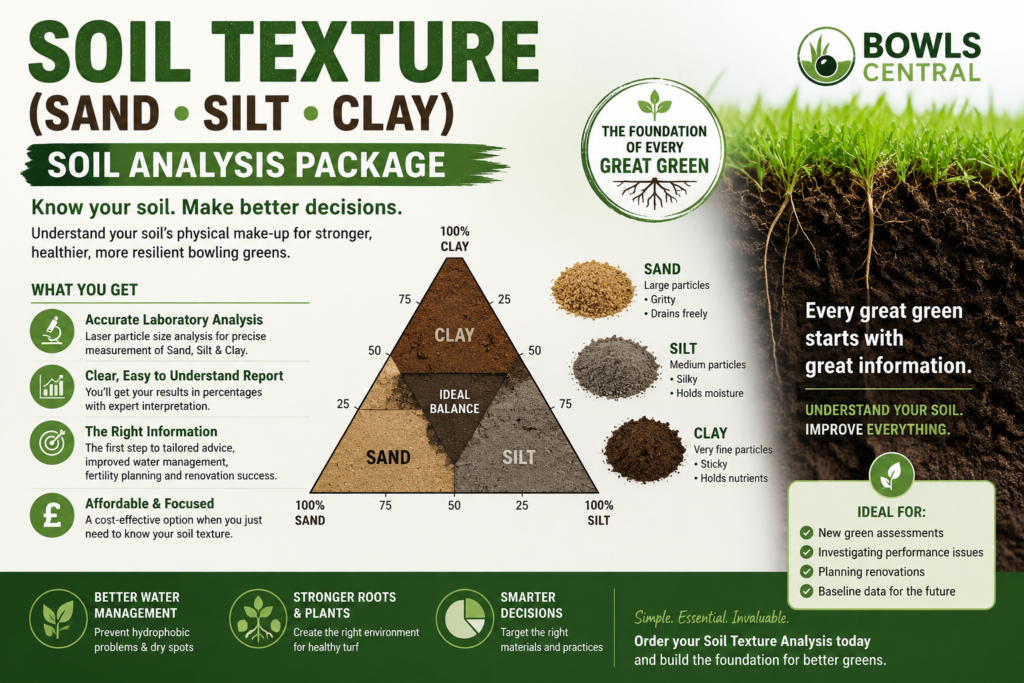
Texture only soil analysis launched
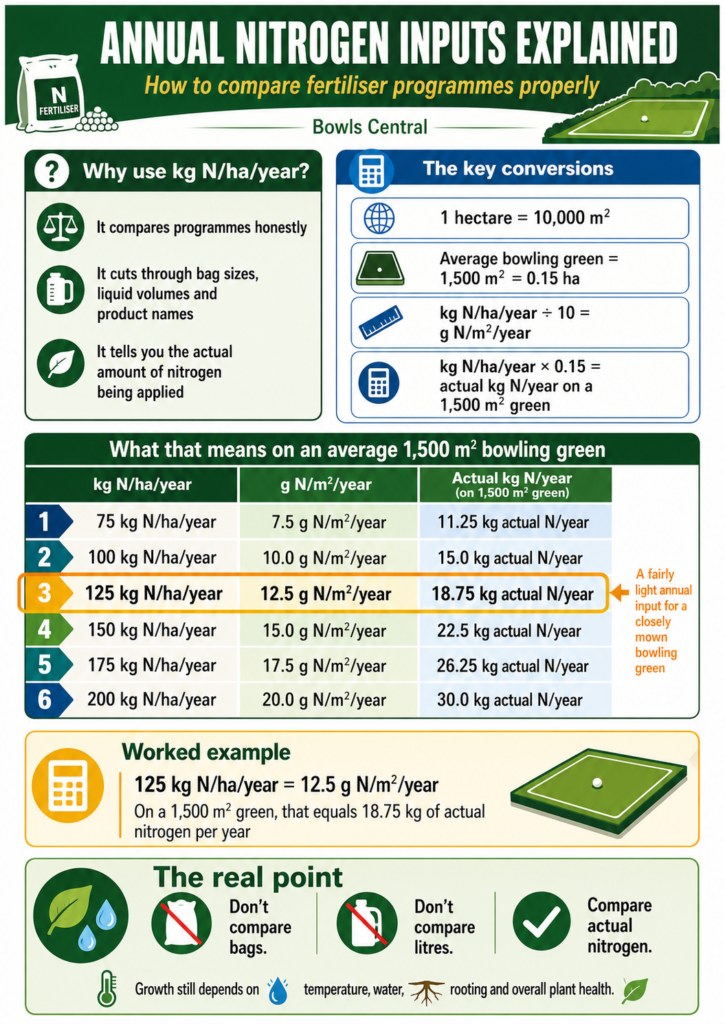
Applying more Nitrogen when these conditions are absent doesn’t necessarily produce healthier growth. It may create a quick response in shaded, wetter or less-stressed areas, increasing the contrast between healthy and drought-affected turf. It can also encourage the plant to produce additional leaf tissue that its reduced root system cannot support. More leaf area means more potential water loss, greater mowing demand and a further call on carbohydrate reserves that may already be depleted.
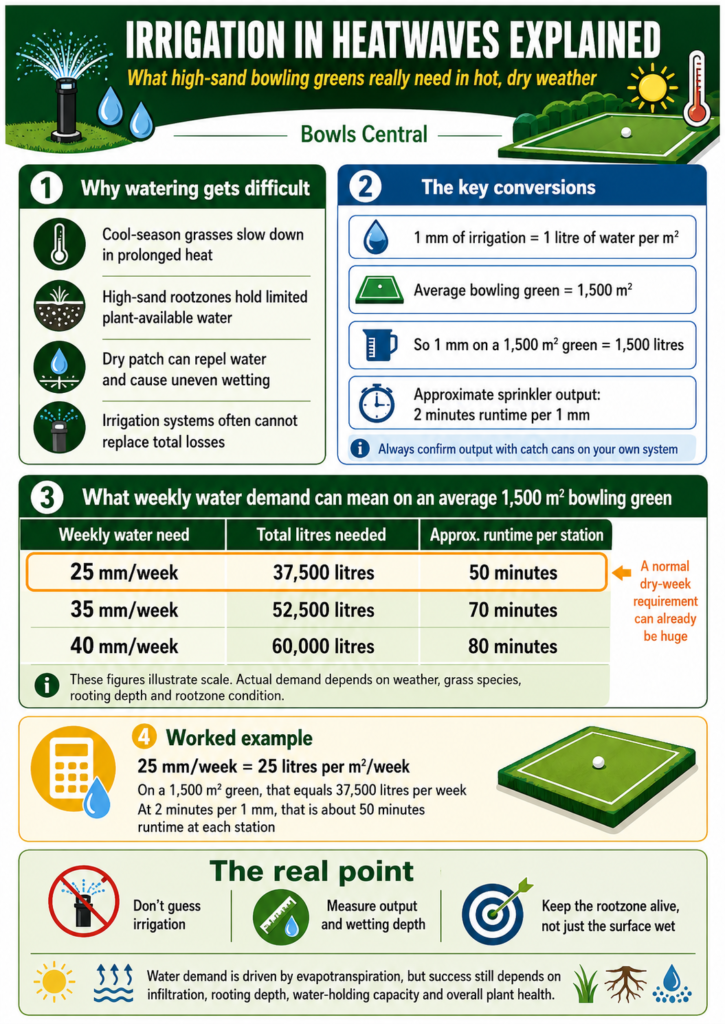
Many bowling green irrigation systems were installed to provide occasional supplementary watering rather than to replace tens of thousands of litres every week through an extended drought. Tank capacity, mains refill rate, pump output and sprinkler efficiency all become limiting factors. A typical perimeter system with one sprinkler position on each side of the green may require roughly two minutes of operation at each position to apply an average depth of 1mm. The precise figure should always be established using catch cans, because the quoted output of the sprinkler is less important than what actually reaches the surface.
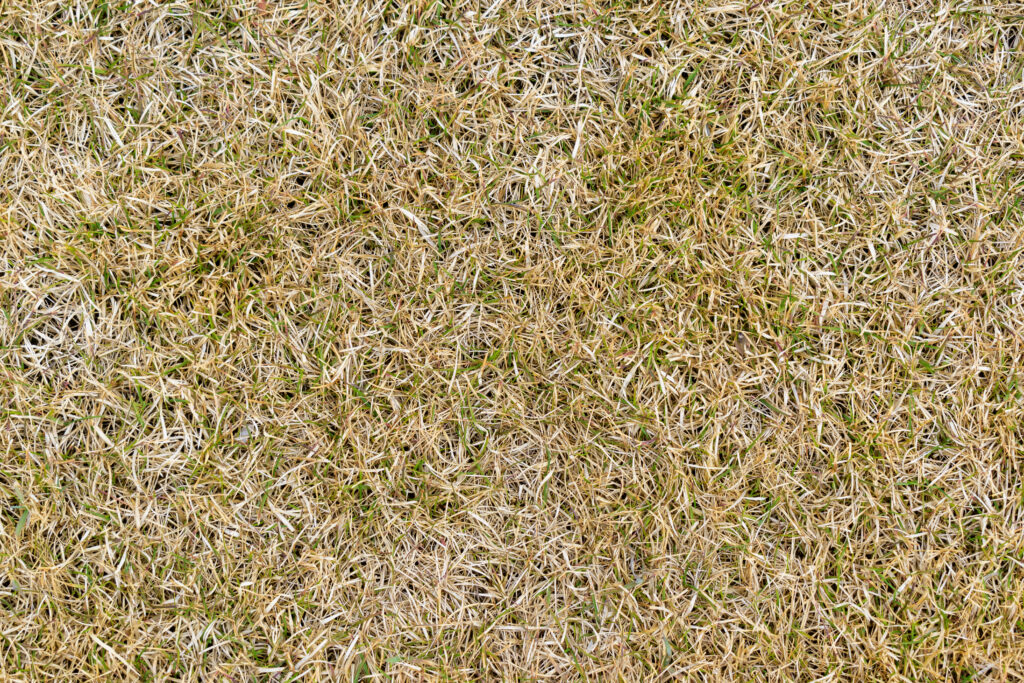
As greenkeepers we are familiar with a short list of fine turfgrasses that we use to create the best surfaces for bowling. However, our summers are beginning to behave very differently to the conditions favoured by these grasses. As temperatures rise and rainfall becomes less reliable, our cool season grasses are being pushed into conditions their photosynthetic system isn't adapted to. Growth stalls, roots recede and leaf colour fades, not necessarily because we've done anything wrong, but because the plant itself has reached a physiological limit.
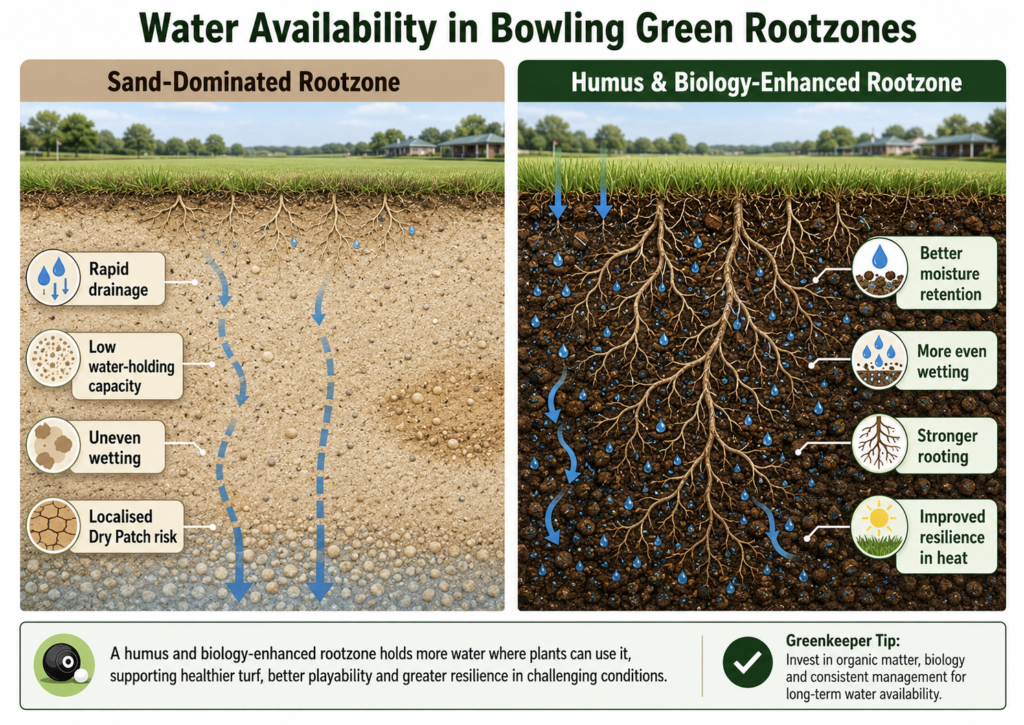
Heatwaves demand a change of priorities. Stop opening the surface, water deeply, hand-treat dry patches and let the clippings fly. Here’s how to keep your bowling green alive without making the underlying problems worse.