Home » You searched for ldp » Page 3

Search for ldp - 52 results found

Persistent Moss Problems

This is not a moss problem

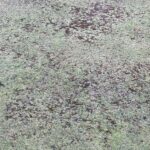
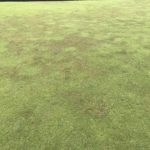
LDP causes large areas and even whole greens to resist moisture. The soil has become Hydrophobic. Water will lie on the green surface for a long time and the soil underneath will remain powder dry and unable to support plant life. The result is large brown patches on the surface where the thatch eventually dries out so much that it becomes hard and brittle. At this point it will shrink to below surface level, causing large pans of low lying turf which of course affect the performance of the green to a level that is unacceptable. Temporary measures such as sarrel rolling and wetting agent application can help to get water into the green, but the water still wont adhere to the soil particles below making sure that most of the irrigation water runs straight through to the drains.
Read more

Ecology 8. More disturbing news for bowling clubs

stress

Every day Greenkeeping and bowling can have a high disturbance value and put the very grass we are tending under a lot of stress. Mowing, verti-cutting, wear from bowling, pests, diseases, disorders, aeration, top dressing, water and nutrient availability and soil pH can all cause stress to a greater or lesser degree and this will change depending on grass species, general green condition, weather and soil type/condition.

Read more

Bowls Green Maintenance Basics-Green Speed

Bowls John Quinn

The great debate about green speed has raged on since the beginning of the game. But what are the factors known to affect green speed?

In order of their impact on green speed these are the top 7 factors that you should bear in mind. Obviously there are others such as weather patterns, level of play etc, but these are largely out of the greenkeepers control and in any case do not figure highly in green speed management.

Read more

Fix your bowling green step1.

Smoothness and Colour

I genuinely believe that it's possible to come up with a formula to fix your bowling green, regardless of it's current condition. This is due to one over-riding fact that I've discovered after looking at literally hundreds of greens. They are all at some stage of what I've termed the Circle of Decline. The critical factor in making this possible is simple. You must know what you are dealing with and there is no way to find that out without carrying out some hand dirtying investigative work. So let's get dirty!

Read more

50 Years of Sand

Autumn Bowling Green Maintenance Question Time

From the very beginnings of the game of bowls, most clubs bowled on a green constructed largely of local top soil, built, prepared and seeded by the club members, perhaps with the help of a local gardener or farmer. Maintenance was largely mowing, turning the rinks on flat greens, keeping the surface clear of debris and worm casts and an occasional roll before a big match. In the autumn, a squad of members would descend on the green with forks to aerate or spike the green, before putting it to bed for the winter with a final cut and perhaps a bag of fertiliser.

Read more