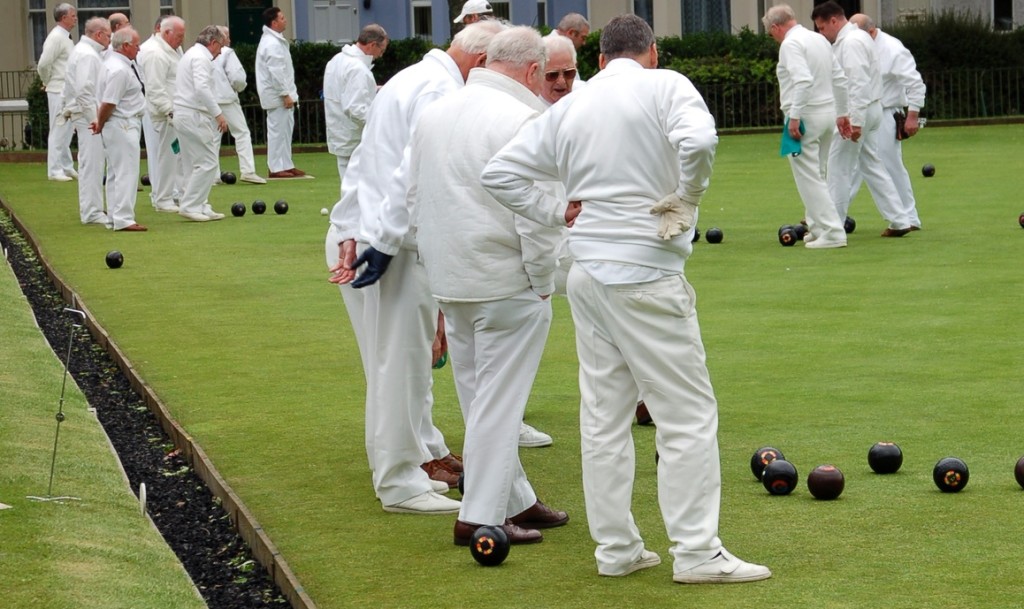
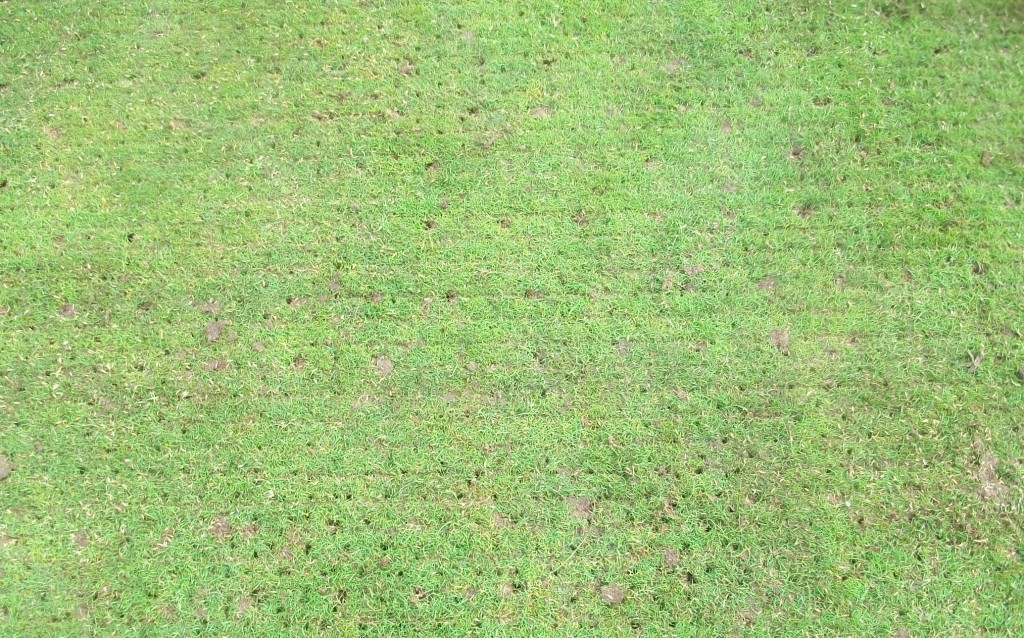
The quality and consistency of the playing surface on your green and your club’s chances of long term survival are inextricably linked, why?
Well if we consider the sport of bowls as a business for a minute it is clear, at least in the UK , that there is a vast over supply in the bowling marketplace. There simply isn’t enough demand for bowling to sustain the sheer volume of clubs that currently exist. The reasons for this are manifold and include some really “deep” factors which economists and sociologists might describe as, well… socio-economic, but the most important thing for bowling clubs to consider is that there simply aren’t enough bowlers around to make every UK bowling club economically sustainable. In other words some, maybe many, clubs will perish in the years to come.
Of course, there are big picture issues that can be addressed and might help to improve the uptake of the game, like for instance the way bowls is marketed, and the general image of the game, perhaps more TV coverage of tournaments would help. All of that is big stuff, that can and will take a long time to bear fruit.
Meantime, if we come back to the close up view, the view out of your clubhouse window in fact, we can all start to do something this year to give our own club the greatest chance of survival; and that is tocommit to providing our members, visitors and prospective members with the best green possible to play on. This one thing is, in my opinion, the key to growing the game again from the ground up in the years to come.
The 2 greatest barriers to the average bowling club making such a commitment are :
- the perceived cost and…
- the perceived difficulty associated with such a plan.
The key word here is “perceived” and there is good reason for that as we saw yesterday when we looked at inconsistency, traditions, desperation mode and greenkeeping myths all of which add to the perception of great expense.
If you’ve been reading my posts this week you will know that my new book Performance Bowling Greens is due to be released on this site on Monday 15th February and my major impetus for sitting down to write the book in the first place was to banish the notion that Performance Bowling Greens are prohibitively expensive and/or difficult to produce consistently.
In Performance Bowling Greens I detail a no-nonsense blueprint that you can follow to get the ultimate Performance from your Bowling Green. This really is a break with tradition (and if you read my post yesterday you will know the truth behind tradition) and a re-evaluation of how Performance Bowling Greens actually work. The book dispels all of the commonly accepted Greenkeeping Myths and moves straight to the program you must follow to achieve the highest level of performance and consistency from your green. Above all I have written the book in a way that will give you the confidence to just get on and do it.
Yesterday I shared with you my thoughts on the main reasons that clubs fall into the cycle of inconsistency and therefore perpetual disappointment with their greens. Today I would like to re-stress just how important it is that your club starts to follow a structured improvement plan aimed at producing a high performance green consistently over the long term.
When you pick up your copy of Performance Bowling Greens next Monday you will have a step by step blueprint that you can follow to turn your green around for good and start to enjoy the extra security such a green will provide for your club. The most important aspect of the book is that it details an approach that any club can take and in almost every case, it won’t only improve the green’s performance dramatically but will also return a significant financial saving to the club.
I will share a typical bowling club story with you and if you don’t recognise your own club within the story its possible that you already have a high performance bowling green.
Remember you can get your copy of Performance Bowling Greens in the shop