Home » Archives for John » Page 8

Author: John

Master Greenkeeper John Quinn is the author of Performance Bowling Greens, and several other titles on Greenkeeping, Club and Business Management.

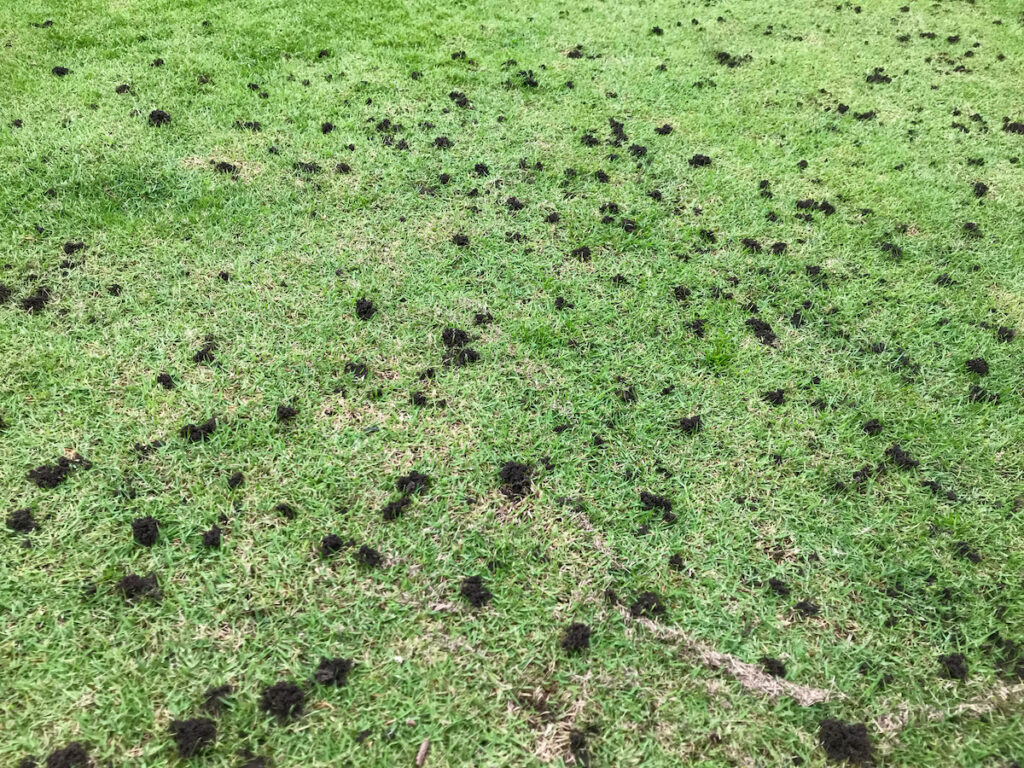
Worm Casts

Downcast is back and improved

If a product’s real purpose is to kill earthworms then this is now illegal for turf application in the UK. It's always best to stay compliant with UK pesticide legislation, honest with your players and committee, and aligned with a longer-term view of soil health. That’s been the Bowls Central way since day one.
Downcast is a non-pesticidal liquid that deters surface worm activity and encourages it deeper in the profile. It doesn’t kill worms; it helps keep their good work (aeration, aggregation, nutrient cycling) where it benefits the soil without spoiling the playing surface.

Read more

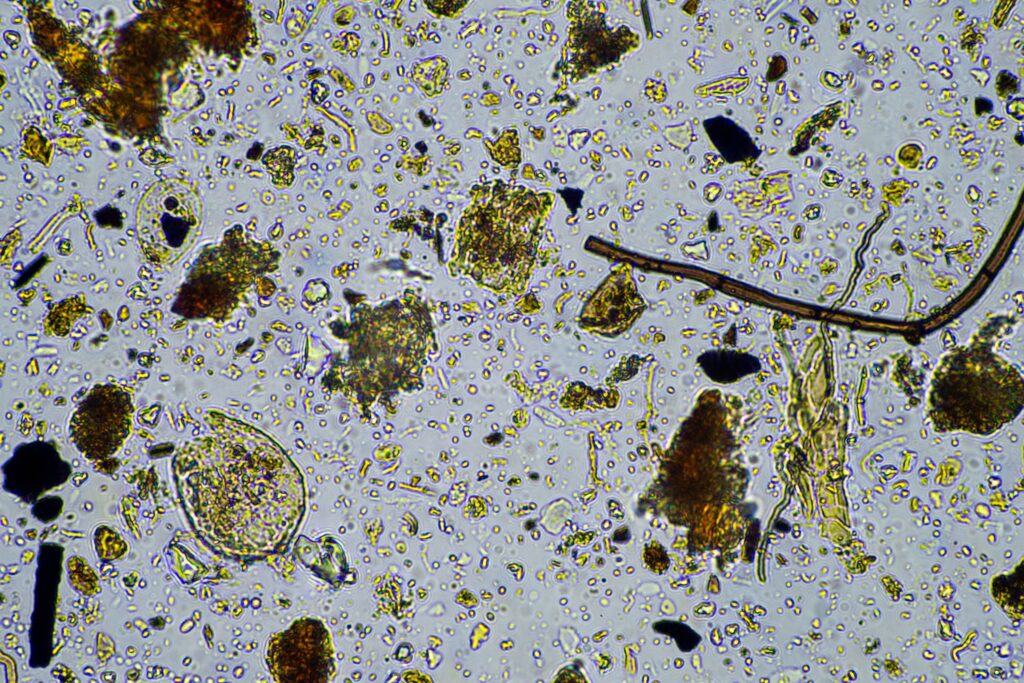
soil microorganisms close up under the microscope.

What is the The Soil Food Web?

Each individual grass plant releases sugars through its roots to attract beneficial microbes. In return, those microbes mine nutrients from the soil, cycle organic matter, suppress disease, and improve soil structure. This is so important to the health of plants that they give up around 50% of the sugar they produce during photosynthesis as root exudates.

Read more

Bowls Green Soil Texture part 3

In the first part of this series we discovered that the ideal bowling green soil (or rootzone) will be 50% space, 5% organic matter, with the remainder (45%) being made up of mineral matter, namely Sand, Silt and Clay. These are the 3 universal mineral components of soil.  Part 1 finished with an explanation of the soil fractions, 5 of which were sands of varying sizes.

In part 2 we found out a little bit more about sand and it's behaviour as a drainage medium and we discovered a little more about how soils are formed. We finished by looking at the importance of sand particle shape and size in bowling green rootzones.

Read more

Soil Texture part 2

Today we'll try to get a better handle on Soil Texture and discover how some of the soil fractions come about. In particular we will look at the complexity of sand, before getting a better understanding of how soils are formed in the first place. This will help us to understand the importance of sand in bowling green maintenance, but hopefully also to understand more fully, its limitations.

Read more